Wednesday, 11 February 2015

Magpie (Pica pica)

The Magpie can be seen very commonly around the UK all year around, however the bird does not occupy the highland areas of Scotland.
The map below shows the approximate areas that the Magpie occupies.

http://www.rspb.org.uk/discoverandenjoynature/discoverandlearn/birdguide/name/m/magpie/index.aspx < image reference at this link.
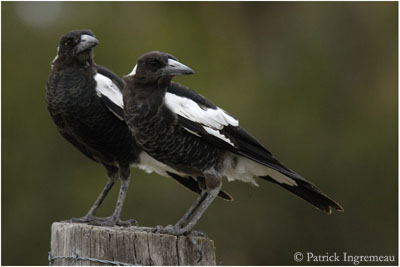
The bird has a stunning pattern of white and black feathers across its body, making them stand out amongst other birds.
They can often be seen in pairs, and these pairs are referred to as mating pairs.

http://upload.wikimedia.org/wikipedia/commons/c/ca/Korean_magpie_in_Daejeon_(side_profile).jpg < image reference at this link.
The Magpie has gained a reputation of being a bird who occasionally acts as a thief, with an attraction toward shiny object, which happens to be items like rings, jewellery, and metals.
They are also known for raiding other birds nests, most often the nests of songbirds, and this raiding has a negative effect on the population of these birds.

The magpie is an omnivore, as it eats both other creatures, as well as fruits and seeds.

http://i.telegraph.co.uk/multimedia/archive/01295/magpie_1295249c.jpg < image reference at this link.
The Magpie is a very intelligent bird, and have adapted very well to foraging in urban, and natural areas alike.
It is one of a few birds who can use items as tools.

http://www.rspb.org.uk/Images/magpie_tcm9-177909.jpg?width=1170&crop=(0,398,1400,982) < image reference at this link.
Magpies are part of the crow family of birds, and I really want to include these beautiful birds in my zine, because they are such a regular part of Britain's wildlife.
I have always liked the magpie, as I think they have a very interesting colour, and patten displayed through their feathers, and I also like how if you see a magpie in the wild, they very commonly travel in mating pairs.
http://www.oiseaux-birds.com/passeriformes/cracticides/cassican-fluteur/cassican-fluteur4.jpg < image reference at this link.


http://www.rspb.org.uk/discoverandenjoynature/discoverandlearn/birdguide/name/m/magpie/index.aspx


Thomas.

Monday, 9 February 2015

My Style for the zine?

For the wildlife zine, I must come up with an idea of which stylistic approach I want to go with, as it must not only reflect my market, but also my theme.
Alongside the assembly of my research, I have been creating small illustrative sketches as I go along.
I have been particularly focusing on my doodles whilst researching British wildlife.

http://www.johanntasker.co.uk/wp-content/uploads/2011/09/BadgerWeb.jpg < image reference at this link.
I have been working primarily with two different styles.
One style can be seen in the following images below, and is a very rough, monotonous palette style, with pen and graphite.


The other style is similar in terms of style to the previous one, with its rough appearance, and the usage of pen, however this second style adds a splash of colour as part of the design.


I really like both styles of drawing, and I feel as if both teens, and adults would be appealed toward both visual styles.
Since I want to aim my market at 16-24 year olds primarily, if I combine the two styles to be included in my zine, I think I could achieve appeal toward my teen/adult market.

I was thinking about using multiple different illustrations per animal, in a kind of collage style of design.
I would like for my zine to have a contemporary look and feel to it, since it is a style that is very popular in todays market.

I would also like for my zine to heavily focus on the art at hand, since I want my zine to showcase my art, as well as my style.

I gained the inspiration of focusing heavily on the art, by reading one of Shaun Tan's books, which contained a lot of his rough, and developmental sketches. I like how they fill the page.
Of course I will trial using these combined styles of illustration, and also the collage layout out in the future, as my development becomes more serious.


Thomas.

Saturday, 7 February 2015

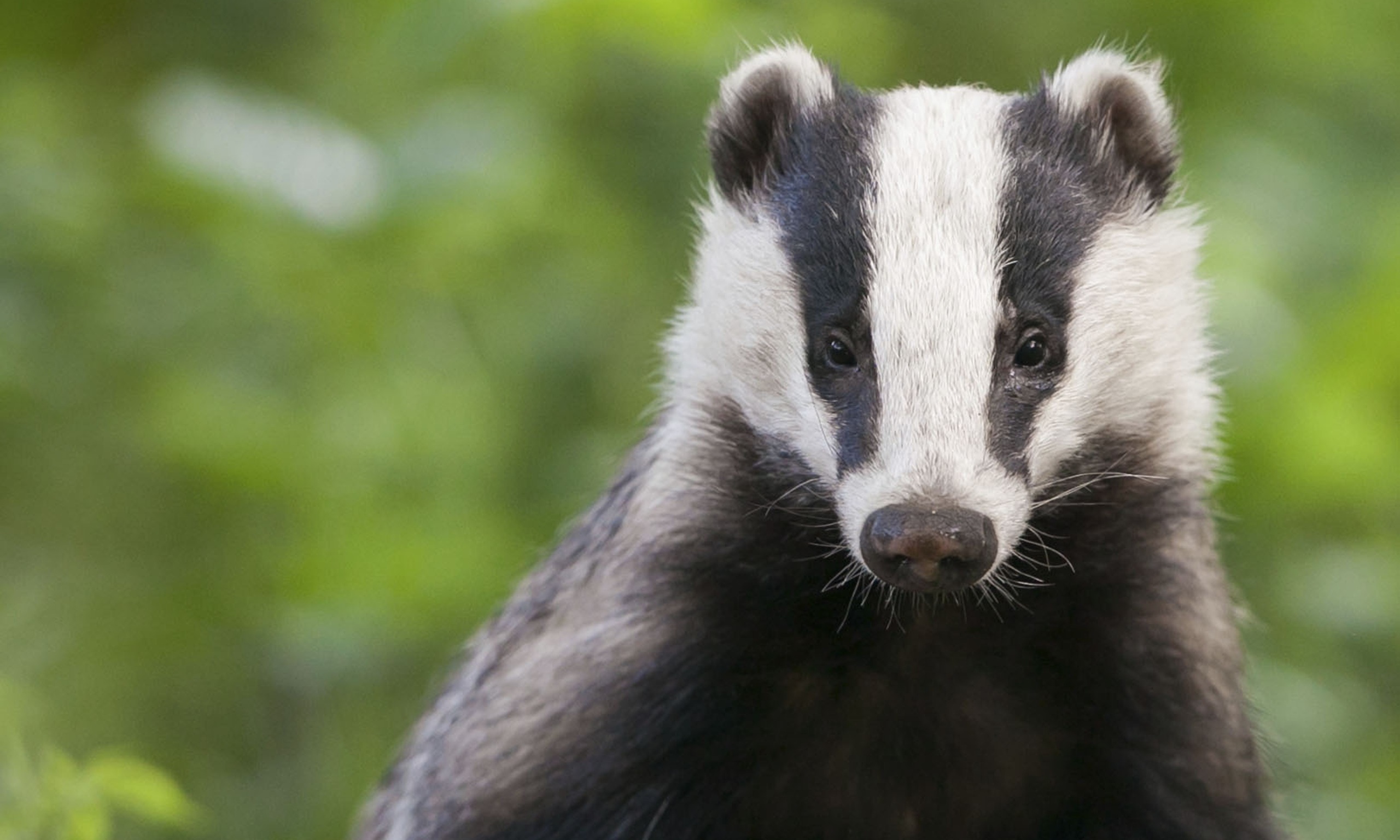
Badger (Meles meles)

The Badger is a creature that that is quintessentially British, and is a very identifiable mammal with its black and white fur colour tones, and its stocky build.

http://news.bbcimg.co.uk/media/images/58757000/jpg/_58757263_badger-sciencelibrary.jpg < image reference at this link.
They forage for food from early in the morning, to late at night, and often come into gardens in order to dig up soil and lawns to feast on earthworms.

http://static.guim.co.uk/sys-images/Guardian/About/General/2013/10/20/1382295444744/badger-011.jpg < image reference at this link.
After the extinction of the wolf in Britain, as well as other large predators, such as the bear, the badger's population sharply rose, and it makes the Badger the UK's largest terrestrial carnivore.

http://www.suffolk.police.uk/images/triobadgers485x275.jpg < image reference at this link.
They are often found located in rural areas, such as woodlands, and countryside.
The Badger is a very social animals, and often lives in groups of up to 25 adults and their cubs, in a series of underground and networked tunnels, known as a 'sett'.

http://news.bbcimg.co.uk/media/images/55376000/jpg/_55376849_badger.jpg < image reference at this link.
Badgers breed in the early spring, and female Badgers delay implanting their fertilised eggs into the womb until later on in the year, and this is so that cubs are born in the following January/February.
There are approximately over 300,000 Badgers living in the UK.

The number is rising due to the species having no natural predators, however many are killed by humans through traffic, and also controversial culling to reduce numbers, and halt the spread of disease to farm animals, such as bovine tuberculosis.

http://data5.blog.de/media/854/3207854_a80ce44622_m.jpeg < image reference at this link.

I want to include the Badger in my project, because they are such an identifiable British animal, that is entwined with our culture, and also plays a part in our local wildlife today.

http://www.johanntasker.co.uk/wp-content/uploads/2011/09/BadgerWeb.jpg < image reference at this link.
Below is a rough illustration of a Badger that I created using watercolour paint.


Thomas.
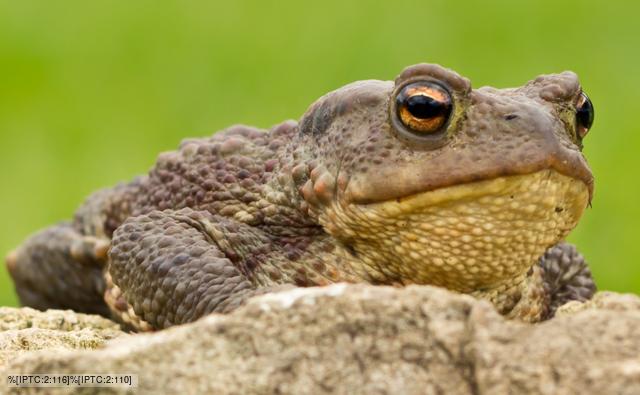
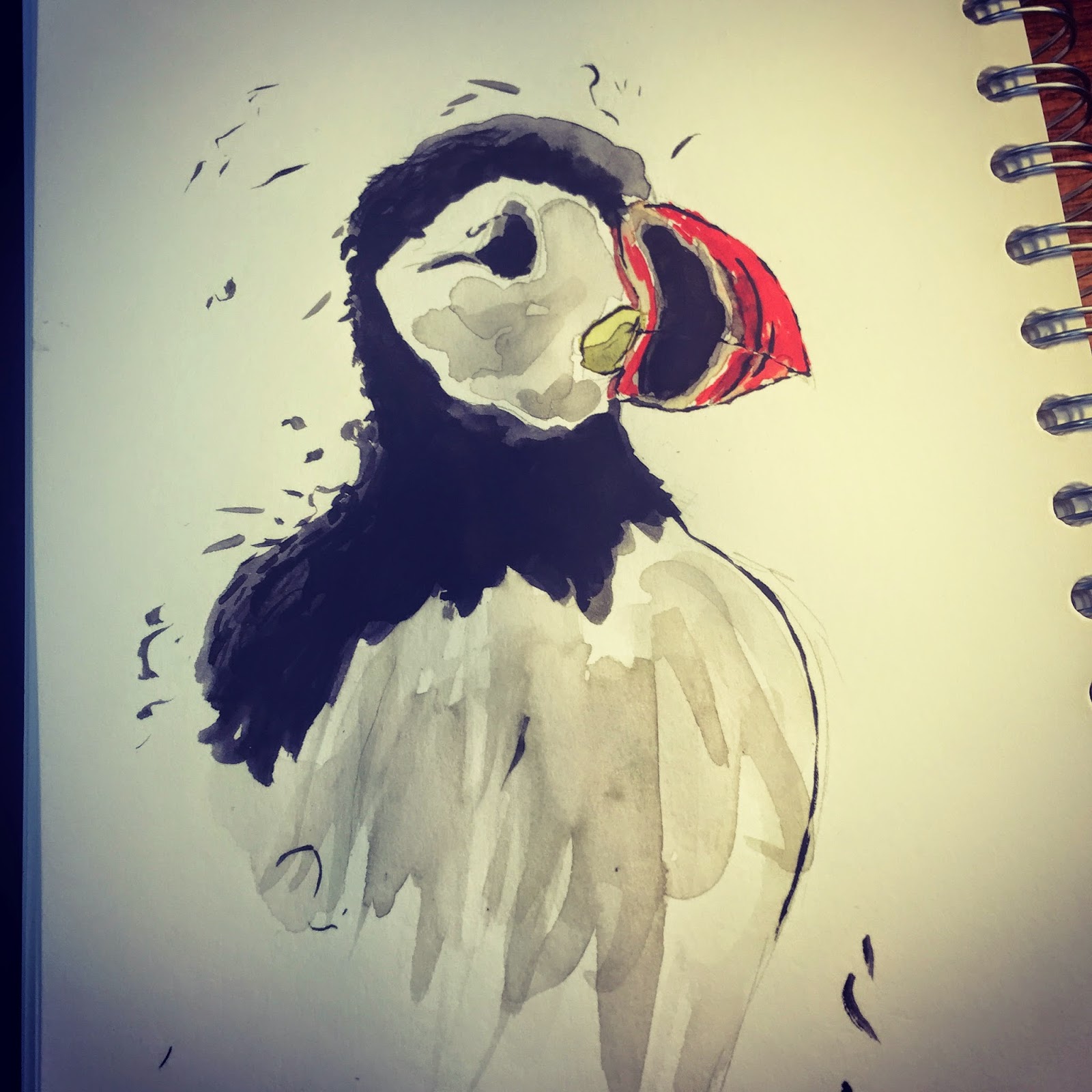
Puffin (Fratercula artica)

http://www.visitscotland.com/cms-images/5x3-large/wildlife/puffin < image reference at this link.
The Puffin is often referred to as "the clown of sea" by some, due to its very bright and colourful beak.
The Puffin nests very close to the sea, often using cliff faces as a place to raise their young, and they fish out in the open sea.

http://www.aboutbridlington.co.uk/bempton/puffin2.jpg < image reference at this link.
These beautiful birds can be found locally in the Farne Islands, and also other islands in Scotland. They most commonly nest on the north east, and west coast of the UK.

http://static.guim.co.uk/sys-images/Guardian/Pix/pictures/2013/6/3/1370272179732/atlantic-puffin-010.jpg < image reference at this link.
The birds are relatively common in the Uk, with there numbers exceeding 500,000 breeding pairs, however with these beautiful birds only being located at a handful of sites, they have an amber list status, given by the rspb.

http://upload.wikimedia.org/wikipedia/commons/a/aa/Papageitaucher_Fratercula_arctica.jpg

Some Puffin illustrations I have created whilst researching them.


http://www.rspb.org.uk/discoverandenjoynature/discoverandlearn/birdguide/name/p/puffin/


Thomas.

Thursday, 5 February 2015

Ladybird books

As I have been looking at a lot of books with imagery depicting wildlife, I cannot possibly think of leaving out as great of an example as Ladybird books.
https://blogger.googleusercontent.com/img/b/R29vZ2xl/AVvXsEhfFuYhCGbFLs0nokolVct9lWC1CJrT2Kiz9FJkM0t7XI6kuFNPDEskWtpSdz8T8IYOS2QEt6hRet19Sn6RY4P-pwYpUaM-htePoEVyx4JyS21qiQA0_9hXcaZzuqSOYbNmLCPB79yhVOfn/s1600/ladybird-books.gif < image reference at this link.
Ladybird are known for creating cheap, good quality publications aimed at the children's market.
Each book had large, bright illustrations, and simple to understand language.

Easy to read text.
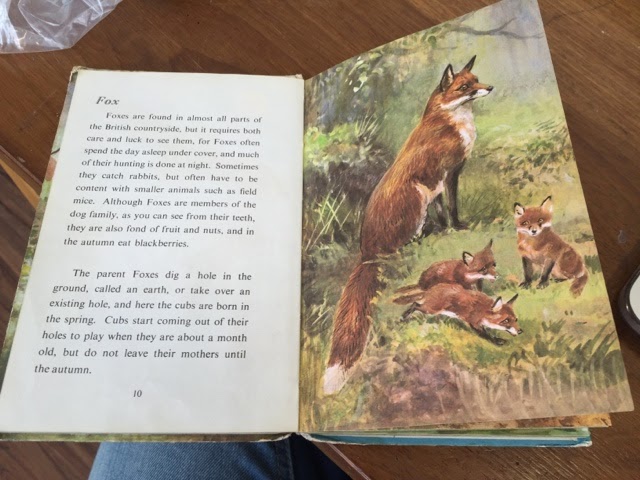
I grew up with Ladybird books, and especially the ones that revolved around the themes of nature and wildlife, such as the book below, which highlights select British wild animals.
This book is prefect to look at for the development, and creation of my wildlife zine.

A great book that I grew up with.
The beautiful illustrations in the book.
In this case, used for representing the Fox.
Ladybird are renowned for having a large selection of books, ranging on a multitude of different topics from short fables, to books on mechanics and engineering.

http://www.kissmekwik.co.uk/images/thumbs/0002378.jpeg < image reference at this link.
I believe that growing up with these books, helped to spark my interest in illustrations, as I was always drawn to the images depicted in the book, over the narrative/text.

Since my zine will aim at the children's/adult market, I should take note from some of Ladybird's publications, in order to get my balance just right.


Thomas.
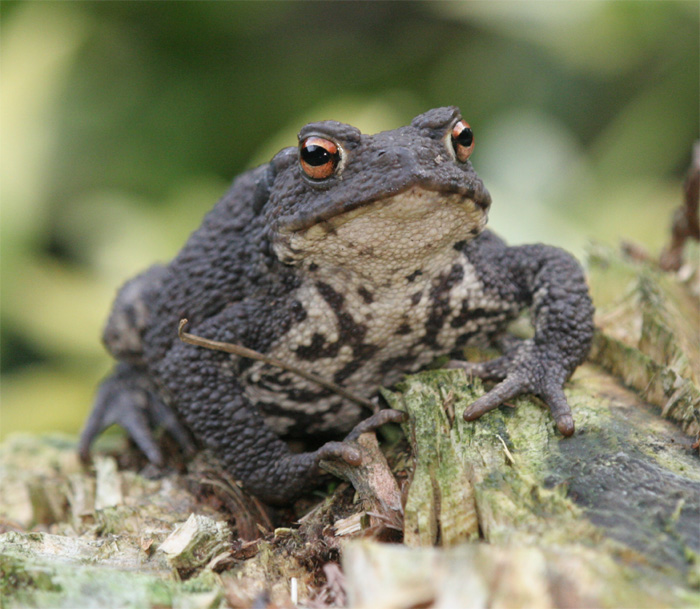
Common Toad (Bufo bufo)

http://www.herpetofauna.co.uk/ident_images/bufobufo2_2.jpg < image reference at this link.
The common toad is an amphibian that lives in ponds, and marsh areas across the country.
They are quite common, and can be distinguished from frogs by their warts, and its warty appearance.
Toads are generally looked upon as ugly, and unattractive animals, other than appearances, they are very similar to the common frog.
http://ichef.bbci.co.uk/naturelibrary/images/ic/credit/640x395/c/co/common_toad/common_toad_1.jpg < image reference at this link.
The Toad secretes a chemical from special glands on the skin, to deter predators from eating it.
The chemical acts as a poison.
This is an evolutionary advantage that the toad has, and has developed over millennia.

http://upload.wikimedia.org/wikipedia/commons/7/75/Adult_Cane_toad.jpg < image reference at this link.
http://www.surrey-arg.org.uk/SARG/08000-TheAnimals/SpeciesPages/Common_Toad/Common_Toad_Portrait.jpg < image reference at this link.
The Toad has quite a cultural stigma attached to it, with an association with the themes of witchcraft and bad luck.
This is reinforced because the Toad often can be seen lurking around in dark, and damp places, and in the middle ages, anyone caught with a pet toad was often deemed as a witch, and witches were trialled in a very unfair manner, often undergoing trials that killed them regardless of verdict.

http://www.bartjcarroll.com/wp-content/uploads/2013/09/witch-with-toad-familiars1.gif < image reference at this link.
Below are a few very rough sketches of Toads that I have illustrated, to be updated as I add more.

A very rough illustration of a toad that I sketched.


Thomas.

Wednesday, 4 February 2015

Really good YouTube tutorial

I recently came across this good tutorial video on Youtube, which goes over a good technique to draw birds more realistically.

I searched for this video because a lot of the animals in my list are birds, and I wanted to brush up on my drawing skills when it comes to these particular animals.

The guy on the video goes into a lot of detail, and mentions some very noteworthy tips.


Thomas.


Thomas.