Wednesday, 4 February 2015

Kestrel (Falco tinnungulus)

The Kestrel is one of Britian's native birds, and has been for 1000's of years.
The bird has a very distinct look about it, with its speckled feathers containing different shades of brown and grey.

They are most likely seen in countryside locations of the country, and can often be seen using the wind to allow them to hover, whilst searching for prey.
Once located, they swoop toward them quickly, and grab them, often killing them, and either taking them back to a nest, or eat them on site.
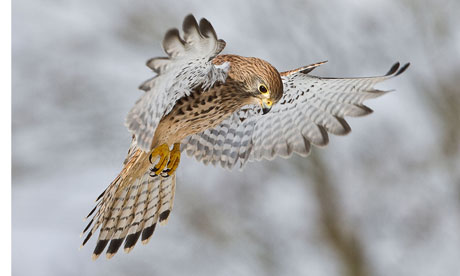

http://static.guim.co.uk/sys-images/Guardian/About/General/2010/7/19/1279561044543/Female-Eurasian-Kestrel-h-006.jpg < image reference at this link.
The bird is classed as a bird of prey, one of the UK's smallest, and it hunts smaller animals such as mice, rats, and other smaller animals, including other avians.


http://upload.wikimedia.org/wikipedia/commons/1/1e/American_Kestrel_%26_Prey_Feather.jpg < image reference at this link.
Kestrels use old nests that are left behind by other larger birds, such as Crows, and Pigeons.
They can nest against cliffsides, in trees, and similar locations.


http://cdn2.arkive.org/media/8C/8C481945-0758-4502-B1A1-E75A9786434A/Presentation.Large/Kestrel-at-nest-with-chicks.jpg < image reference at this link.
These birds are beautiful, and I would love to illustrate one for my zine.
To do so, I feel that I need to improve my illustration skills when it comes to birds.


http://www.nottinghamshirewildlife.org/animal-facts/kestrel


Thomas.

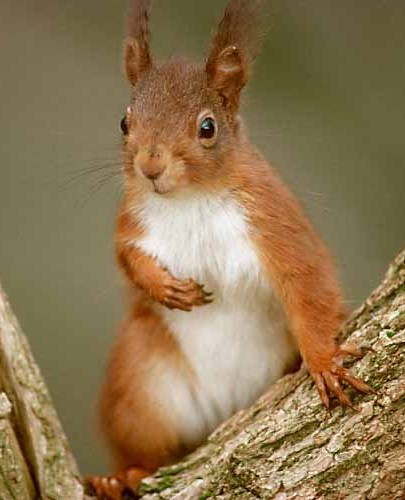
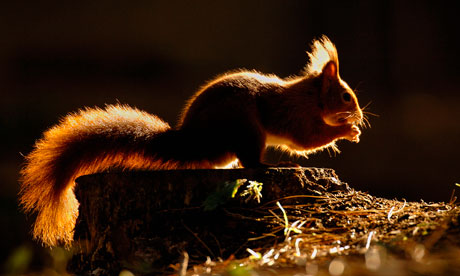
Red Squirrel (Sciurus vulgaris)

The Red Squirrel is a species that is native to the UK, and is a tree dwelling animal, that has evolved to be an excellent climber, and forager.

http://www.redsquirrels.info/wp-content/uploads/2013/10/squirrel-red.jpg < image reference at this link.

The Red Squirrel today is much more rarer than it was in the past, and its future as a species is highly uncertain.
This is mainly due to a few factors such as hunting, but mainly the introduction of the American Grey Squirrel, which is classed as an invasive species, when it came to British shores in the 19th century.

http://www.swpms.co.uk/wp-content/uploads/Grey-Squirrel.jpg < image reference at this link.
The Grey squirrel brought with it the fatal Parapoxvirus virus, which the Red Squirrel had no immunity to, which caused Red Squirrel populations to decline, with its numbers currently at around 140,000, whilst the grey squirrel is at a rough population of 2.5 million, outnumbering them greatly.

The Red Squirrel is coming back slowly in numbers due to projects specialised to recover their numbers, however still remains dominated by the Grey Squirrel.

http://www.fowberry-alpacas.com/images/uploads/redsquirrel12.jpg < image reference at this link.
This animal is unmistakably a beautiful staple of Britain's wildlife, and a species that I feel holds a definitive place in my zine.

http://static.guim.co.uk/sys-images/Guardian/Pix/pictures/2011/9/25/1316960102894/Red-squirrel-Sciurus-vulg-007.jpg < image reference at this link.


http://www.nottinghamshirewildlife.org/animal-facts/grey-squirrel
http://www.forestry.gov.uk/forestry/redsquirrel


Thomas.

Tuesday, 3 February 2015

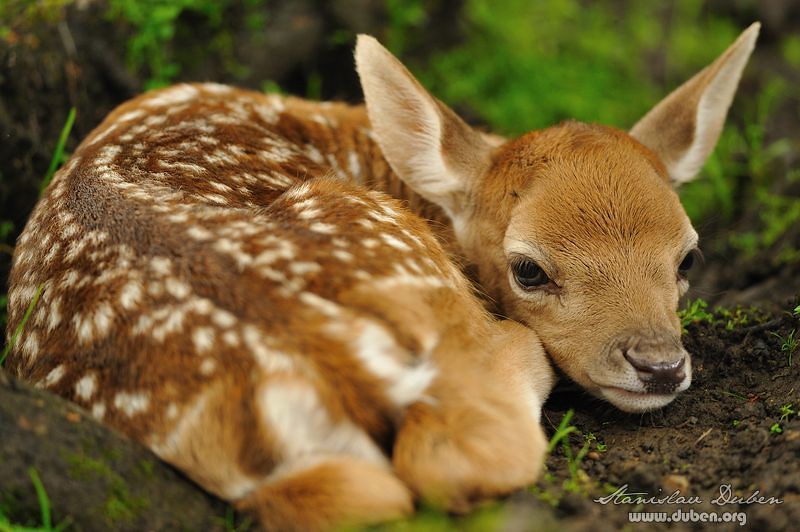
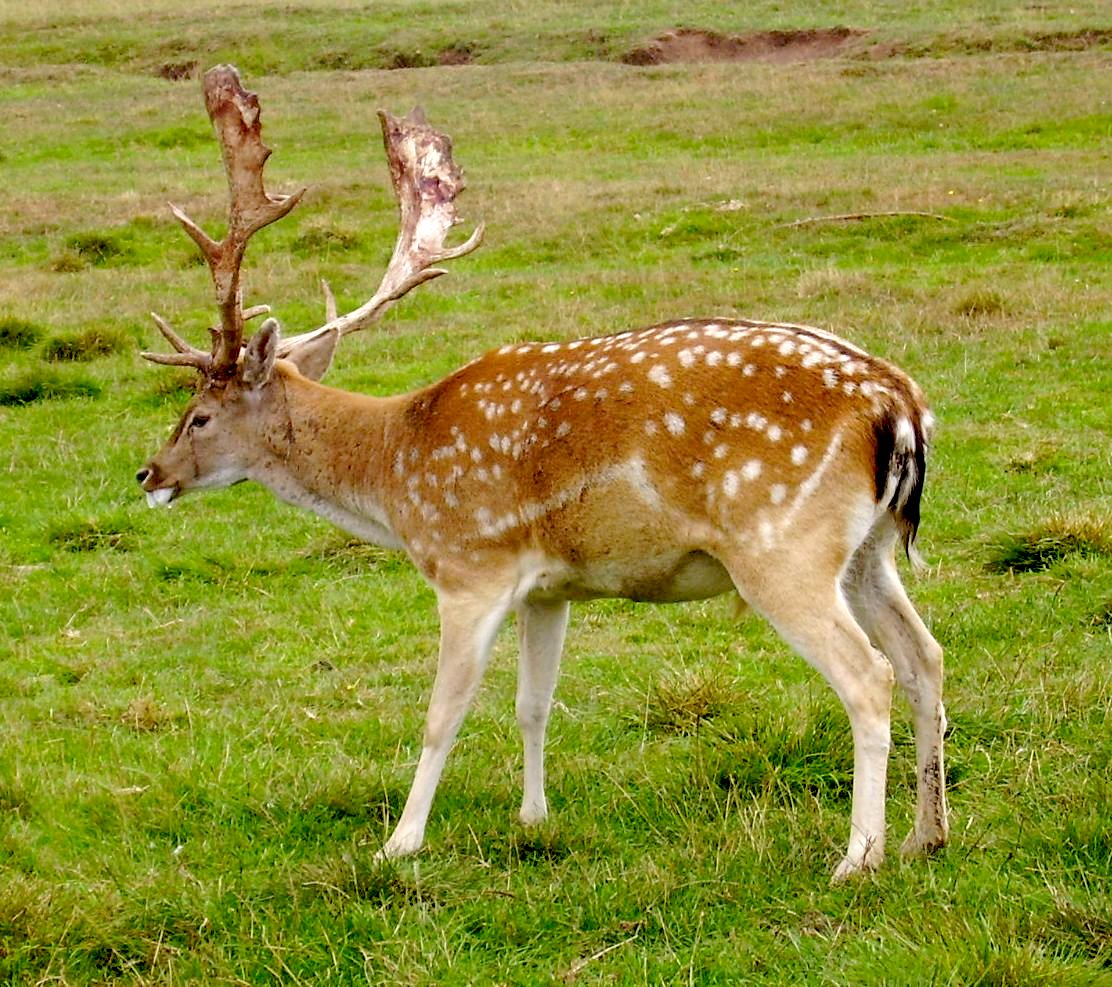
Fallow Deer (Dama dama)

The Fallow Deer commonly lives in wooded areas across the country, and has a distinct fur coat coating spots.
This species of Deer are smaller than their Red Deer counterparts.

https://c1.staticflickr.com/9/8156/7181666263_3552ace447_b.jpg < image reference at this link.
Fallow Deer graze on grassland, and also eat buds growing on some shrubs and trees as a means to get nutrition.

With the Fallow Deer's natural predators such as the Lynx, the Wolf, and the Bear, (which are now extinct in the UK), they are a very common animal in Rural Britain, and can be seen often in the countryside.
https://c2.staticflickr.com/4/3429/3826582683_a072bf1f70.jpg < image reference at this link.
Fallow Deer sometimes have to be culled in order to reduce numbers.
This is so that food sources are not overgrazed, and disease does not spread as efficiently.

http://www.photographers-resource.co.uk/images/wildlife/species/deer/Fallow_Deer.jpg < image reference at this link.
The Deer is not strictly native to the UK, but however originally comes from the Mediterranean, as well as the middle east, as the Deer were spread across the continent of Europe by the Romans.

http://www.easpd.eu/sites/all/themes/easpd/images/carte_europe.png < image reference at this link.

This type of Deer graze in herds mainly in same sex packs, however come together once a year for an annual rutting, in which males fight for females in order to mate, and produce offspring.

Young bucks leave the mothers after 18 months, in order to find an all male herd.
Young Does stay with the mother, and the female herd.

http://www.rspb.org.uk/community/cfs-file.ashx/__key/communityserver-discussions-components-files/13609/1258.Rut.jpg < image reference at this link.
The reason that I picked to choose the Fallow Deer over the Red Deer, was due to the beautiful spots, and patterns that this Deer has on its fur.
Although not originally a native species, they are unmistakably a part of Britain's wildlife, and should be noted in my zine.


http://www.bbc.co.uk/nature/life/Fallow_Deer


Thomas.

Dormouse (Muscardinus avellanarius)

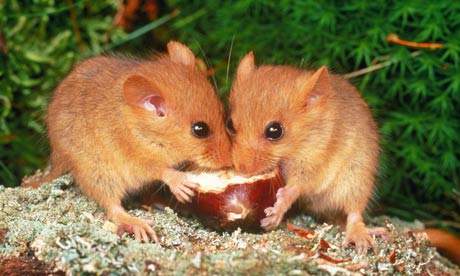
The Dormouse is a very small mammal which is also known as a Hazel Dormouse by some.
The species can be found in England and Wales, however more commonly in the more southern counties.

http://www.carleton.edu/departments/ENGL/Alice/Images/footnotes/chapter%207/sleepingdormice.jpg < image reference at this link.
Dormouse are very agile, and active animals, able to climb great heights.
They can spend great deals of their lives living in hedgerows, and trees, so they are more common in the countryside.

http://static.guim.co.uk/sys-images/Education/Pix/pictures/2008/11/18/dormice-corbis-460x276.jpg < image reference at this link.
Dormice are primarily nocturnal, and are endangered, due to this they are less commonly seen by people than other rodents, such as Mice or Rats.
Dormice have a diet of nuts, berries, and various different insects.

http://news.bbc.co.uk/media/images/53284000/jpg/_53284639_53284638.jpg < image reference at this link.
The mouse hibernates every winter, coming awake again in the spring, and summer seasons.
Interestingly these creatures can spend a great deal of their lives asleep.

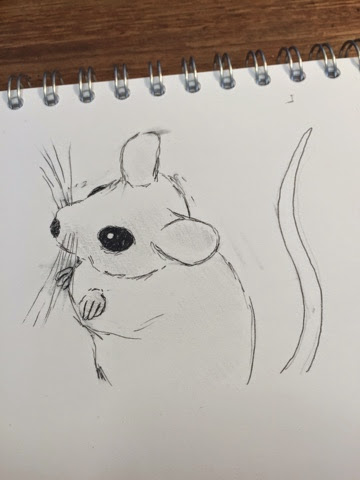
Below are some sketches I have done of Dormice, in order to practise for the zine.


http://www.wildlifetrusts.org/species/common-dormouse


Thomas.

Fox (Vulpes vulpes)

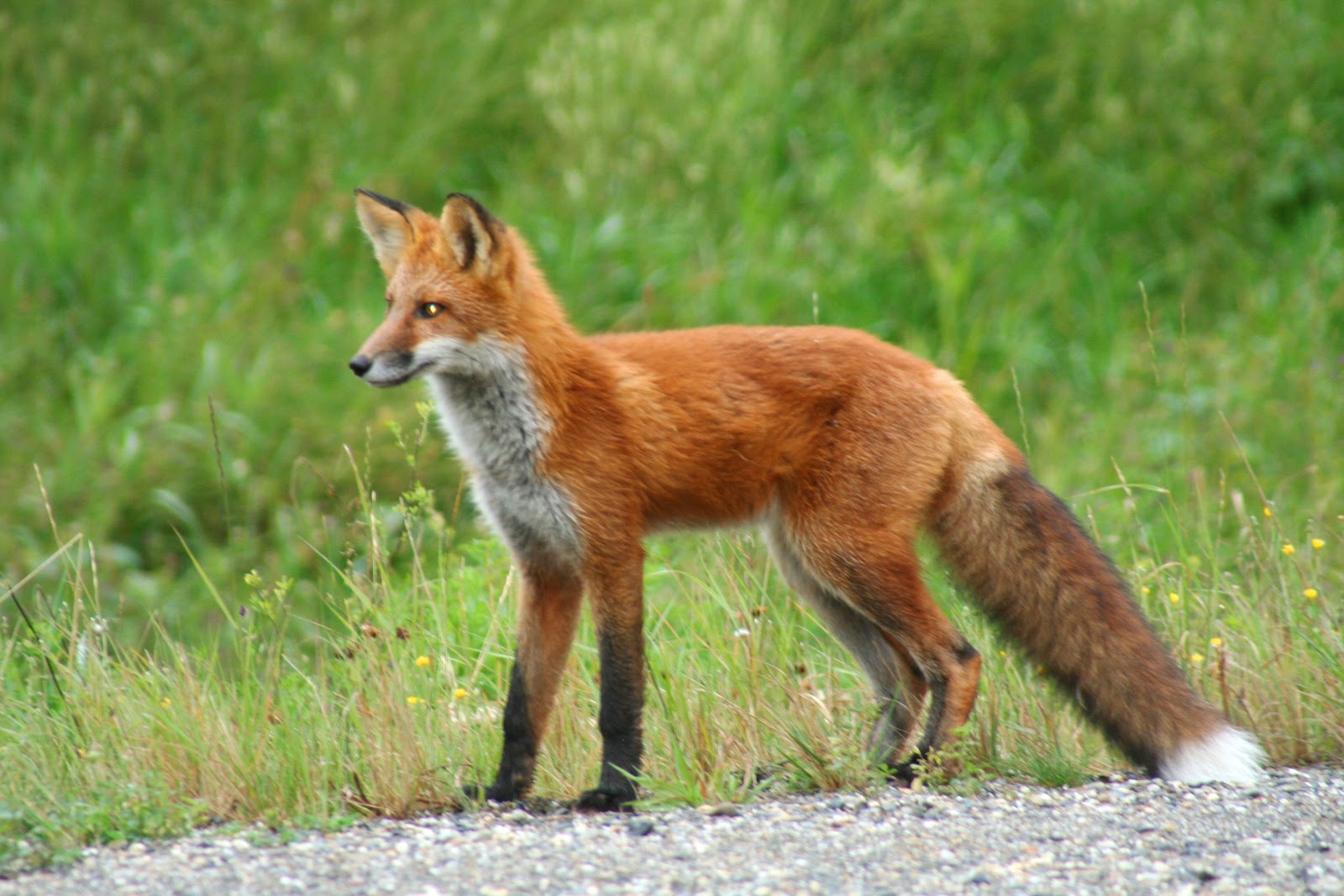
Foxes are traditionally often found in the British countryside, however are less common today, as they once were in the past.
Foxes often hunt in the dark, and have incredibly good eyesight, and hearing to detect prey.
Foxes are smaller than most people imagine, but are extremely agile and active animals.

http://mypestcontrolsolihull.co.uk/images/fox2.jpg < image reference at this link.
Often seen by livery owners as pests/vermin, a great number of the species have been killed off to protect farmland animals, such as chickens, and sheep etc.
They were also once hunted as sport until recently, when the fox hunting ban came into effect in England.
http://mediad.publicbroadcasting.net/p/wvtf/files/201403/FoxPenning0.jpg < image reference at this link.
Foxes have beautiful red, and white fur usually, however there are several different types of foxes, so to not confuse my research, I only want to focus on the British Red Fox.

http://www.f0x.ca/images/foxes/sleeping_fox_by_krankeloon-d3d8695.jpg < image reference at this link.
I personally love the Fox, as I think that they are beautiful and majestic animals, and witnessing one in the wild is a privilege, especially today as they are more uncommon than they once were.
I remember once seeing a fox's tail move around in a field, and this was the first and only time I have ever seen a wild Fox.

A Fox practise illustration that I produced.

I feel as if a Fox is a staple of British wildlife, and should hold a place in my zine.


Thomas.

Monday, 2 February 2015

What animals do I want in my Zine?

As my zine will be focusing on native wildlife to the UK, I want to start seriously thinking about which animals I would like to be in my zine.

I want to avoid choosing animals that aren't really native to the UK, and I also want to choose only a few animals per species, for example, I don't want a zine with one bird image, and then following, nine illustrations of different fish.

I would like to portray the animals in my zine using my personal illustrative styles, which is a combination of an overall scratchy, and rough look, similar to the practise illustration below, a refined style, and a rough painted style.


I will be using this book, (seen below), which is perfect to help me gather some inspiration, and find creatures that may work in my zine.
I will also be using my primary research, gathered from exploring such locations as riverbanks, parks, and beaches.
A great book to help aid my development.
Looking into this book, some animals stand out to me.
I will write down a bullet point based list containing animals that I could see in my zine, please bear in mind that there may also be a small amount of text in my book, for each animal.
  • Fallow Deer
  • Fox
  • Dormouse
  • Badger
  • Kestrel
  • Mute Swan
  • Common Toad
  • Brown Rat
  • Puffin
  • Robin
  • Perch
  • Wood Pigeon
  • Adder
  • Red Squirrel
  • Raven
  • Pheasant
  • Rabbit
  • Otter
I will produce a blog about each animal featured in this post, in order to help me decide which animals to use in my zine.
I will also keep sketching, which will allow me to practise for the zine.


Thomas.

Sunday, 1 February 2015

Recent book pickups #1

Yesterday I went into a local book store, and I picked up two books that are very interesting, and ones that I feel may aid me in the development of my zine.


Both of the books are authorised by the National Trust, which is a company dedicated to the preservation of historic structures, and areas of interest.
Each book is illustrated by a different artist, so this provides a very interesting, and fresh look with each book.


Some illustrations taken from 'The Country Set'.
I really love the illustrations contained in each book, both of the books feature the use of watercolour based illustrations, and both illustrators clearly have talent, and their individual works really compliment the books, as well as the language inside of them.
I feel as if the illustrations are 'quirky', and very engaging to the reader.

The illustrations featured more notably in 'Birdsong', (below), contain a rough visual appearance, a style which  I really love, and one that I adopt in my own personal style.
In fact, I picked this book up first, and it is the illustrations inside which grabbed my attention to obtain both publications.


Some of the illustrations found in 'Birdsong'.
I am very happy with my recent pickups, and I will be using them as inspiration whilst developing my zine.


Thomas.